Komodo National Park Indonesia: The Ultimate Travel Guide to the Land of the Legendary Dragons
Komodo National Park in Indonesia is one of the world’s most extraordinary natural destinations, famous for its prehistoric Komodo dragons, stunning island landscapes, vibrant marine biodiversity, and pristine beaches.
Located in East Nusa Tenggara Province between the islands of Sumbawa and Flores, this UNESCO World Heritage Site is a dream destination for nature lovers, adventure seekers, divers, and wildlife enthusiasts from around the globe.
Visiting Komodo National Park offers a once-in-a-lifetime experience where travelers can witness rare wildlife, explore untouched islands, and dive into some of the richest underwater ecosystems on Earth.
Overview of Komodo National Park
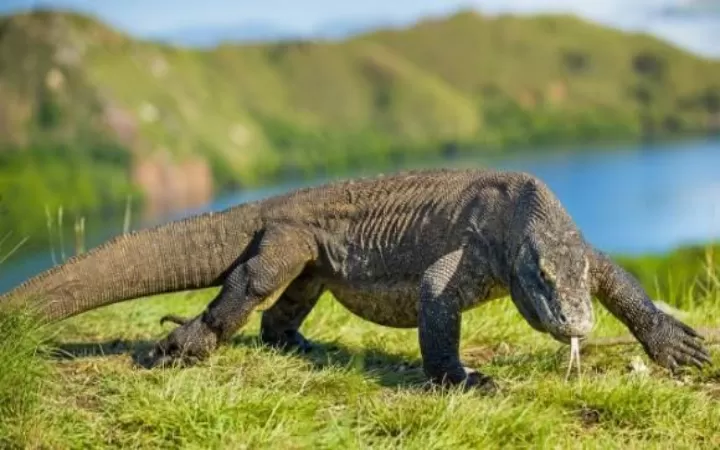
Established in 1980, Komodo National Park was originally created to protect the endangered Komodo dragon (Varanus komodoensis), the largest living lizard on Earth.
Over time, conservation efforts expanded to include the park’s remarkable marine ecosystem. Today, the park covers approximately 1,733 square kilometers, including three main islands—Komodo Island, Rinca Island, and Padar Island—along with numerous smaller islands and vast ocean areas.
Komodo National Park is internationally recognized as part of the Coral Triangle, which holds some of the highest marine biodiversity in the world.
The park is home to over 1,000 species of fish, 260 species of coral, manta rays, sea turtles, dolphins, whales, and various reef sharks, making it a paradise for diving and snorkeling enthusiasts.
Meet the Legendary Komodo Dragons
The main highlight of Komodo National Park is the opportunity to see Komodo dragons in their natural habitat. These giant reptiles can grow up to 3 meters long and weigh over 70 kilograms. Known as apex predators, Komodo dragons have powerful jaws, sharp teeth, and venomous bites, making them fascinating and formidable creatures.
Visitors can observe Komodo dragons safely through guided trekking tours on Komodo Island and Rinca Island.
Professional park rangers accompany all trekking activities to ensure visitor safety while providing valuable insights into the dragons’ behavior, habitat, and conservation efforts.
Top Attractions in Komodo National Park
Padar Island – The Iconic Viewpoint
Padar Island is one of the most photographed destinations in Indonesia. The island offers breathtaking panoramic views of its unique tri-colored beaches and rugged hills. A short but steep trek to the top rewards visitors with stunning landscapes, especially during sunrise or sunset.
The dramatic scenery makes Padar Island a must-visit destination for photographers and hikers
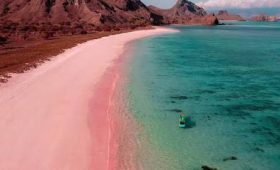
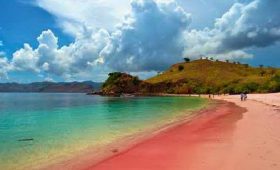
Pink Beach – A Rare Natural Wonder
Pink Beach is one of only a few pink sand beaches in the world. The beach gets its unique color from microscopic red organisms called Foraminifera mixed with white sand. Besides its beauty, Pink Beach is also a fantastic snorkeling spot where visitors can explore vibrant coral reefs and diverse marine life just a few meters from the shoreline.
Rinca Island – Wildlife Adventure
Rinca Island is another excellent location to see Komodo dragons. Compared to Komodo Island, Rinca often offers more active dragon sightings due to its open savannah environment. The island also hosts wild buffalo, deer, monkeys, and numerous bird species, making it perfect for wildlife trekking
Manta Point – Swimming with Giant Manta Rays
Manta Point is a world-class diving and snorkeling location where visitors can swim alongside majestic manta rays. These gentle giants glide gracefully through crystal-clear waters, providing unforgettable underwater encounters. The site is suitable for both experienced divers and snorkelers.
Taka Makassar – A Hidden Sandbank Paradise
Taka Makassar is a small crescent-shaped sandbank surrounded by turquoise waters. This picturesque location is perfect for relaxing, swimming, and taking spectacular drone photography. The shallow waters also provide excellent snorkeling opportunities
Diving and Snorkeling in Komodo National Park
Komodo National Park is widely regarded as one of the best diving destinations in the world. The park’s nutrient-rich currents support extraordinary marine biodiversity, attracting divers from every corner of the globe. Popular dive sites include Batu Bolong, Castle Rock, Crystal Rock, and Manta Alley. These locations feature colorful coral gardens, large schools of fish, reef sharks, turtles, and manta rays.
Snorkeling is equally rewarding, with many shallow reefs easily accessible from beaches and boats. Even beginners can enjoy exploring the vibrant underwater ecosystems.
Best Time to Visit Komodo National Park
The best time to visit Komodo National Park is during the dry season, which typically runs from April to November. During this period, the weather is sunny, sea conditions are calm, and trekking activities are more comfortable. April to June is particularly recommended because the islands are lush and green after the rainy season.
July and August are peak tourist months, offering excellent weather but larger crowds. September to November is ideal for diving due to excellent underwater visibility and increased manta ray sightings.
How to Get to Komodo National Park
The main gateway to Komodo National Park is Labuan Bajo, a small coastal town on Flores Island. Travelers can reach Labuan Bajo via direct flights from Bali, Jakarta, or Surabaya.
From Labuan Bajo, visitors can join boat tours ranging from one-day trips to multi-day liveaboard experiences exploring multiple islands and dive sites.
Boat tours are the most popular way to explore the park, allowing visitors to experience island hopping, snorkeling, trekking, and wildlife observation in a single itinerary.
Types of Tours Available
Visitors can choose from various tour options depending on their preferences and travel style:
One Day Komodo Tour: Ideal for travelers with limited time, covering highlights like Padar Island, Pink Beach, and Komodo Island.
3 Days 2 Nights Boat Trip
The most popular option, offering a comprehensive experience including trekking, snorkeling, sunset viewpoints, and overnight stays on traditional Phinisi boats.
Private Komodo Tour:Perfect for couples, families, or small groups seeking flexibility and personalized service.
Diving Liveaboard Tours: Designed for certified divers who want to explore multiple world-class dive sites.
Conservation and Sustainable Tourism
Komodo National Park plays a vital role in protecting endangered wildlife and preserving fragile marine ecosystems.
Visitors are encouraged to follow park regulations, respect wildlife, avoid littering, and support eco-friendly tourism operators.
Sustainable tourism helps ensure that future generations can continue to enjoy the natural beauty and biodiversity of the park.
Why Komodo National Park Should Be on Your Bucket List
Komodo National Park offers an unparalleled combination of wildlife adventure, stunning landscapes, and world-class marine exploration.
Few destinations in the world allow visitors to walk among prehistoric creatures, hike scenic islands, relax on unique pink sand beaches, and dive in one of the richest marine environments on the planet
all in a single trip.
Whether you are an adventure traveler, nature enthusiast, photographer, or diving lover, Komodo National Park in Indonesia promises unforgettable memories and extraordinary experiences.
Plan Your Trip to Komodo National Park Today
A journey to Komodo National Park is more than just a vacation.
it is an exploration of one of Earth’s last untouched natural wonders.
With its legendary Komodo dragons, pristine beaches, crystal-clear waters, and diverse marine life, this Indonesian paradise continues to captivate travelers worldwide. Start planning your Komodo National Park adventure today and discover why it remains one of Southeast Asia’s most spectacular travel destinations.